
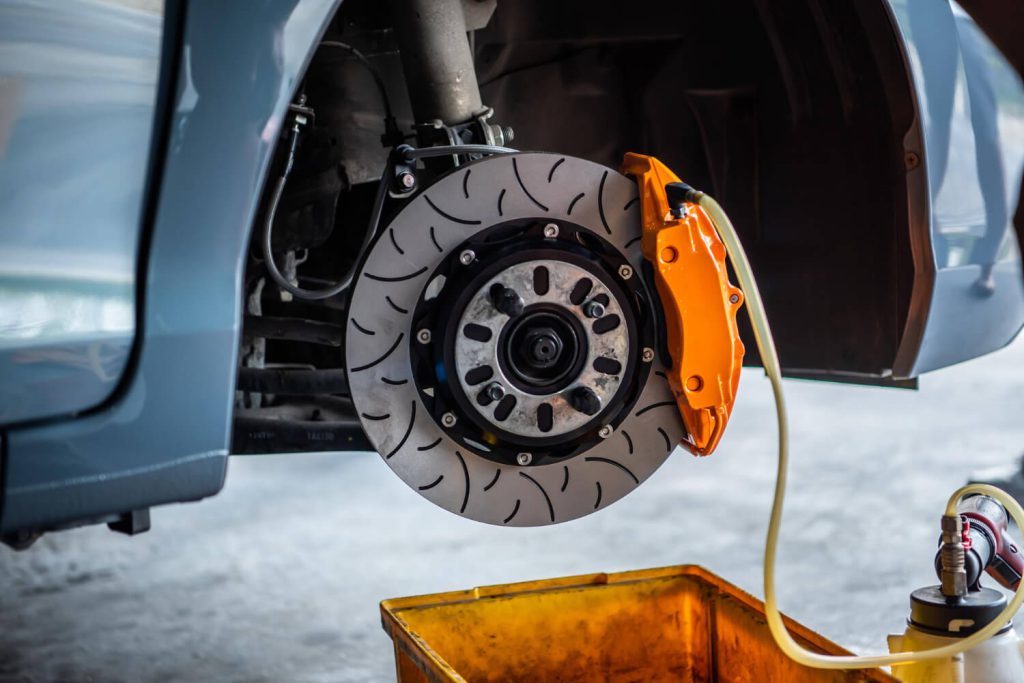
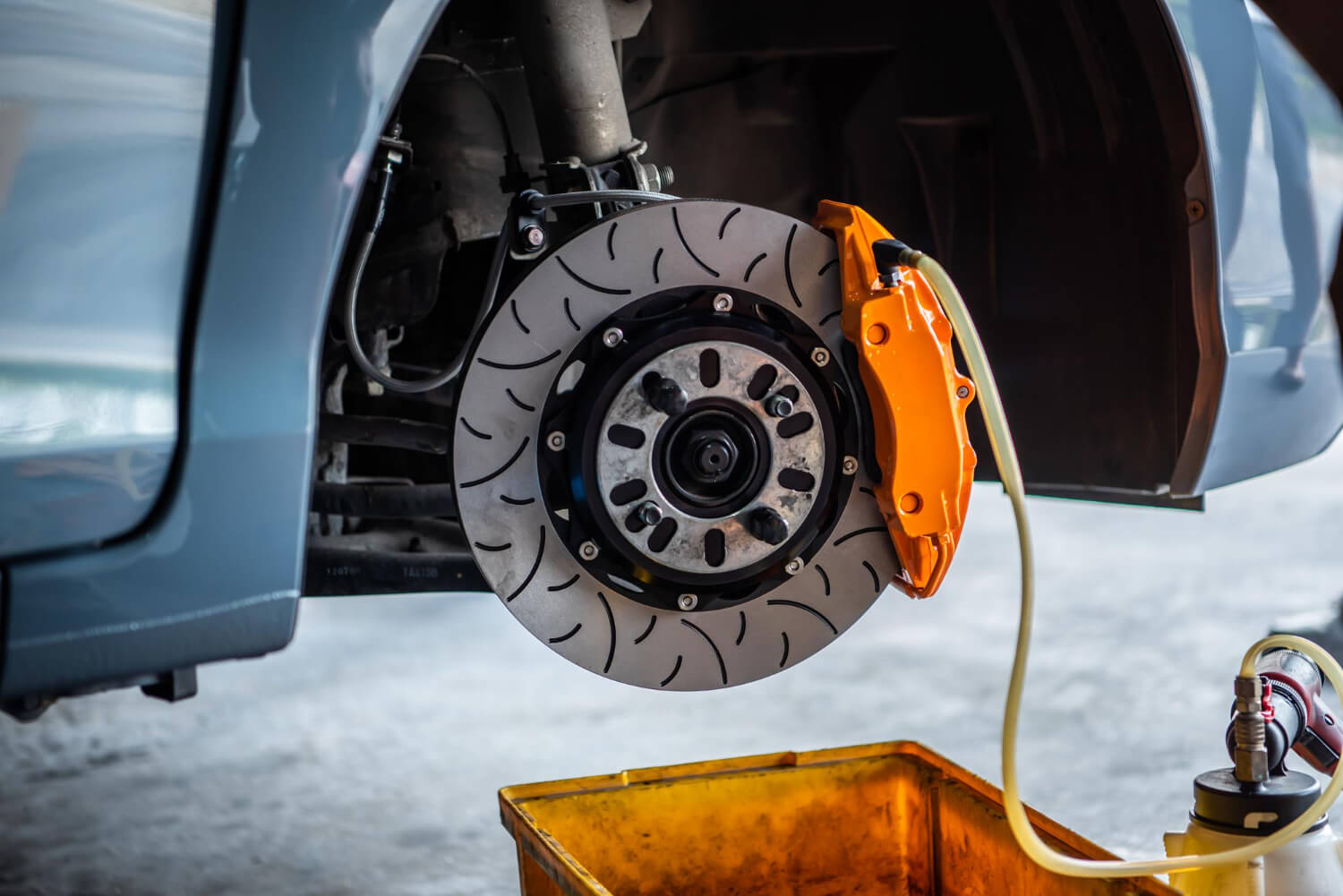
Your brakes are the single most important safety system on your car. Every time you slow down at a red light or stop short because someone cuts you off, your braking system is working hard behind the scenes. Most drivers take that for granted, right up until something goes wrong.
Brake-related problems are among the leading vehicle defects linked to accidents in the United States, making timely maintenance more important than ever. The good news is that brake systems rarely fail without warning. They usually show clear signs of wear long before complete failure occurs. Recognizing these warning signs early and scheduling brake repair when needed can help prevent costly breakdowns, reduce the risk of accidents, and keep you, your passengers, and everyone else on the road safe.
Here are the ten warning signs that tell you your brakes need professional attention right now.
1. Squealing or Squeaking When You Brake
A high-pitched squeal when you press the brake pedal is a warning sign that the brakes need repair. Some drivers make the mistake of ignoring the squeal if it seems to stop on its own, especially after a wet morning when surface rust briefly coats the rotors.
Occasional squeaking from moisture is normal, but if the sound happens consistently every time you brake, wet or dry, that is your wear indicator talking. Professionals advise that brake pads should be replaced well before they reach the minimum thickness of 3.2 mm, which is roughly one-eighth of an inch. Once they hit that point, you are very close to metal-on-metal contact.
2. Grinding or Growling Noises
If a squeal is a warning, a grinding noise is often a sign that the problem has already progressed. A harsh metallic grinding or growling sound when you press the brakes means the brake pads have worn down significantly, and the braking components are no longer operating as intended.
In some cases, debris caught between the brake pad and rotor creates a similar noise. Either way, grinding should never be ignored. The longer you continue driving, the greater the chance of damaging other brake components and increasing both repair costs and stopping distance.
3. Your Brake Pedal Feels Soft or Spongy
Your brake pedal should feel firm and responsive every time you apply pressure. If it suddenly feels softer than usual, sinks lower toward the floor, or requires more effort to stop the vehicle, your braking system may not be functioning properly.
A soft or spongy pedal indicates problems with brake fluid or another issue affecting hydraulic pressure. Since these problems reduce braking performance and make it harder to stop safely, they should be inspected as soon as possible.
4. The Car Pulls to One Side When Braking
Your vehicle should remain straight and stable when you apply the brakes. If it consistently pulls to the left or right during braking, even on a level road, that is a sign that braking force is not being distributed evenly between the wheels.
Uneven braking results from worn brake components, a sticking caliper, or other issues that prevent one side from working properly. Beyond affecting your ability to control the vehicle, this problem also contributes to uneven tire wear and additional stress on suspension components.
5. Vibration or Pulsation in the Brake Pedal
A brake pedal that vibrates or pulses when you slow down is not something most drivers should ignore. While the vehicle may still stop, the unusual sensation is often a sign that part of the braking system is no longer operating smoothly.
This warning sign is commonly associated with brake rotors that have developed uneven wear or surface irregularities. Over time, the vibration becomes more noticeable and affects overall braking performance, making an inspection the best way to determine the underlying cause.
Also Read:
6. A Burning Smell After Driving
A strong burning odor coming from the wheels after driving indicates that the brakes are generating excessive heat. This is especially concerning if the smell appears after normal driving conditions rather than a steep descent or unusually heavy braking.
Overheated brakes reduce stopping performance and place additional stress on critical brake components. If the smell is accompanied by smoke, reduced responsiveness, or a soft brake pedal, the vehicle should be inspected immediately before further driving.
7. The Brake Warning Light Comes On
Dashboard warning lights exist for a reason, and the brake warning light should never be ignored. If the light remains illuminated after starting the vehicle or appears while driving, your vehicle is alerting you to a potential issue within the braking system.
The warning could be related to low brake fluid, worn brake components, or another system fault that requires professional diagnosis. While the exact cause varies, the safest approach is to schedule an inspection rather than assume the light will disappear on its own.
8. Your Car Takes Longer to Stop Than It Used To
Most drivers become familiar with how their vehicle normally responds when braking. If you begin noticing that it takes longer to come to a complete stop or requires more pressure on the pedal than before, your braking performance may be declining.
This change often develops gradually, making it easy to overlook until an emergency stop is required. Increased stopping distance significantly reduces your ability to avoid accidents, which is why any noticeable decline in braking responsiveness deserves prompt attention.
9. The Steering Wheel Shakes When Braking
A steering wheel that shakes or vibrates while braking is more than just an annoyance. If the shaking only occurs when you apply the brakes and disappears while driving normally, it is often a sign that part of the braking system requires attention.
This symptom affects vehicle stability and makes it harder to maintain precise control during sudden stops. Because steering and braking work together to keep you safe on the road, any unusual vibration should be evaluated before it becomes more severe.
10. Brake Fluid Is Leaking Under the Car
If you notice a clear or slightly yellow fluid collecting underneath your vehicle, particularly near the wheels or beneath the engine compartment, it may be brake fluid. Unlike some other automotive fluids, brake fluid should not be leaking under normal operating conditions.
A brake fluid leak reduces the hydraulic pressure your braking system relies on to function properly. Even a small leak becomes a serious safety concern if left unresolved, making immediate inspection and repair essential.
Get Your Brakes Inspected at American Auto Repair Center in Colonia
If your car is showing any of the signs above, do not put it off. At American Auto Repair Center, located at 1131 St. Georges Avenue in Colonia, NJ, our experienced mechanics perform thorough brake inspections that cover every component of your braking system.
We use industry-grade diagnostic tools, OEM replacement parts, and a transparent process that tells you exactly what needs to be done and why. There’s no upselling and no surprises on the bill.
Whether you need a pad replacement, rotor resurfacing, a full brake overhaul, or ABS diagnostics, our team handles it all for every make and model. If the car is not safe to drive, call us before you move it, and we’ll help you decide the safest way to get it to our shop.
Give us a call to book brake repair in Colonia and get your vehicle back to the standard that your safety depends on.

