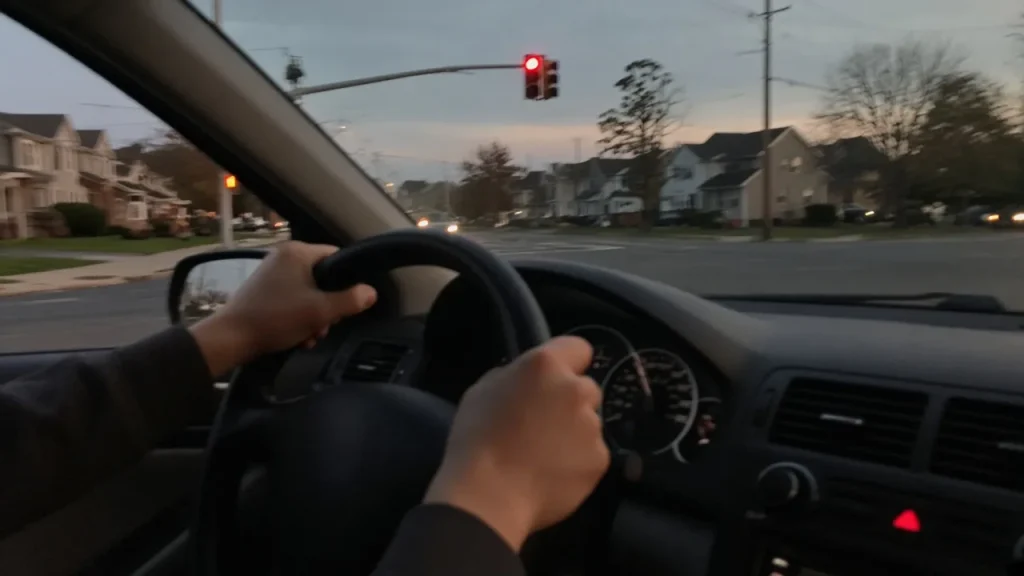
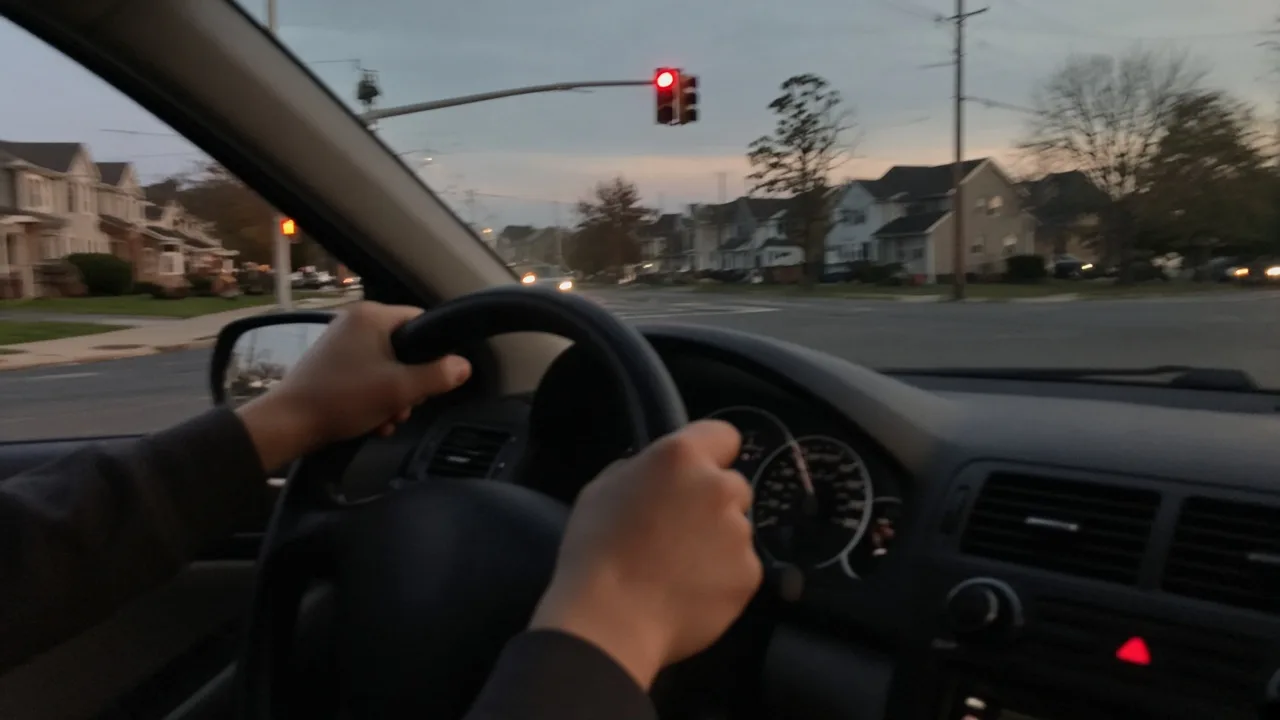
You pull up to the light on St. Georges Ave. The car is in Drive, your foot is on the brake, and the seat starts to tremble. The steering wheel buzzes in your hands. Then the light turns green, you pull away, and the shake fades.
That is a rough idle. It is one of the most common things drivers in Colonia, Woodbridge, Clark, Iselin, Avenel, and Rahway ask us about. It also has more than one cause, which is why guessing rarely fixes it.
This guide shows you how to tell an idle shake from a road shake, when it is safe to keep driving, and which parts usually cause it. You will also learn the clues that point to each cause, what to write down before your visit, and how a shop finds the real fault.
If you already want it checked, start with our engine diagnostics in Colonia. American Auto Repair Center is at 1131 St. Georges Ave, Colonia, NJ 07067. Call (732) 702-3999 during shop hours.
More reading: If a warning light came on with the shake, read our check engine light guide for Colonia first.
Idle shake or road shake? Quick triage
Where and when the shake happens tells you which system to look at first. Start here.
Only when stopped
The car shakes in Drive at a light or in a parking lot, then smooths out once you move. This points to the engine side: a misfire, extra air getting in, a fuel problem, or worn motor mounts. That is what this guide covers.
Only at speed
The car is smooth at a stop, but the steering wheel shakes on Route 1 or the Parkway. That usually points to tires, wheels, or balance, not the engine. Our steering wheel shake guide covers that problem.
Shake plus a warning light
If the check engine light is on, solid or flashing, the engine computer has likely stored a code. Get it scanned before you guess. Our check engine light guide explains what solid and flashing mean.
Is it safe to drive with a rough idle?
A mild shake is usually a “book soon” problem. A hard shake with other warning signs is a “stop now” problem. Use these clues to decide.
Usually OK to drive gently and book a check
- The shake is mild and mostly happens at a stop
- The check engine light is off or solid, not flashing
- Power feels normal when you pull away
- The temperature gauge stays in its normal range
- There is no smell of raw fuel or burning
Stop driving and get help
- The check engine light is flashing
- The engine shakes hard or bucks
- You smell raw fuel or a hot, burning smell
- The temperature gauge is climbing
- The engine stalls in traffic or nearly dies at lights
- Power fades fast when you press the gas
A flashing light usually means an active misfire. Unburned fuel can reach the catalytic converter and overheat it. Ease off the gas, get to a safe spot, and call (732) 702-3999 for advice. Our engine light diagnostics in Colonia cover the scan and testing.
Common causes of shaking at idle
At idle the engine turns slowly and makes very little power. That is why a small problem you never feel on the road shows up at a red light. These are the usual causes.
Worn spark plugs
Plugs light the fuel in each cylinder. When they wear out or get fouled, the spark gets weak and a cylinder can skip. You feel that skip as a stumble or a steady shake.
Weak ignition coil
Each coil sends power to a plug. A failing coil can work fine when warm and miss when cold or under load. It is a common cause of a misfire that comes and goes.
Vacuum leak
The engine needs a set mix of air and fuel. A cracked hose or a loose fitting lets in air the computer did not measure. The idle can turn rough, jumpy, or too high, and you may hear a hiss.
Dirty throttle body or airflow sensor
The throttle body lets air in at idle, and the mass airflow sensor measures it. Carbon buildup or a dirty sensor throws off that reading. The idle can surge, dip, or feel lumpy.
Fuel delivery
Clogged injectors, a weak fuel pump, or a restricted fuel filter can starve one or more cylinders. The engine may idle rough and hesitate when you press the gas.
Worn motor mounts
Motor mounts are rubber and metal blocks that hold the engine in place and soak up its vibration. When the rubber cracks or sags, normal engine motion comes straight into the cabin. The engine can be healthy and the car still shakes.
Clues that point to each cause
You cannot see inside the engine, but you can notice patterns. This table links what you feel to where a shop will usually look first. Treat it as a starting point, not a diagnosis.
| What you notice | Often points to |
|---|---|
| Shake gets worse when you shift into Drive or Reverse | Worn motor mounts or extra idle load |
| Shake gets stronger when the A/C turns on | A weak part struggling with the added load, or worn mounts |
| A steady stumble, like a beat is missing | Misfire from a spark plug or ignition coil |
| Stumble with a flashing check engine light | Active misfire. Stop driving and get help. |
| Hissing sound under the hood | Vacuum leak |
| RPM needle bounces up and down at idle | Air leak, dirty throttle body, or idle control problem |
| Rough idle and a weak, slow pull from a stop | Fuel delivery or misfire |
| Clunk when you shift or step on the gas | Worn motor mounts |
| Shake right after a cold start that fades once warm | Ignition part or an air leak that changes with heat |
| Smooth at lights, shake only at highway speed | Tires or wheels, not the idle |
More than one clue can show up at once. A worn mount and a weak coil can both be present on the same car. That is one more reason testing matters.
A simple at-the-light check you can do safely
You can learn a lot in a parking lot without any tools. Do this only in a safe, open spot with the parking brake set and your foot firmly on the brake.
- Feel it in Drive. Let the engine idle in Drive for half a minute and note how strong the shake is.
- Shift to Neutral or Park. If the shake drops a lot, a motor mount or idle load is a good suspect.
- Turn the A/C on and off. If the shake jumps when the A/C kicks on, the engine is struggling with extra load.
- Watch the RPM needle. A steady needle with a shake points more to mounts. A bouncing needle points more to air, fuel, or ignition.
- Listen with the window down. A hiss can mean a vacuum leak. A popping or puffing sound can mean a misfire.
Do not rev the engine hard, and do not open the hood with the engine running near moving parts. This check is for gathering clues, not for fixing anything.
Why the shake shows up more in fall
Many drivers notice a rough idle for the first time when the weather cools. There are a few simple reasons.
- Cold starts are harder on a weak coil or a worn plug
- Rubber vacuum hoses get stiff in the cold and can crack
- Cold rubber is stiffer, so a worn motor mount can pass more vibration
- Longer waits in school pickup lines and traffic on Route 27 give you more time to feel it
If the shake is worse on cold mornings and fades after a few miles, write that down. It is a useful clue, not a sign that the problem went away.
What to note before you come in
A few minutes of notes can save time on the diagnosis. Try to answer these before your visit.
- When does it shake? Cold start, fully warm, or both. In Drive, in Park, or in Neutral.
- Does the A/C change it? Note whether the shake gets worse with the A/C on.
- Is a light on? Note whether the check engine light is off, solid, or flashing, and when it started.
- Any sounds or smells? Hissing, clunking, popping, a fuel smell, or a burning smell.
- What changed recently? A fill-up at a new station, a recent repair, a new battery, or a jump start.
One more tip. Do not clear the codes with a parts store reader before you come in. Clearing them can erase the snapshot data a technician uses to see what the engine was doing when the fault happened.
Why testing beats swapping parts
A shake at idle has many possible causes. Guessing gets expensive fast.
Here is a common story. A driver replaces the spark plugs because a video said so. The shake stays. Then a coil goes in. The shake stays. The real cause was a cracked vacuum hose or a tired motor mount the whole time.
A code scan is a good first step, but it is only a starting point. A misfire code tells you which cylinder skipped. It does not tell you whether the plug, the coil, the injector, or an air leak caused it.
Testing does. That is the job of a proper engine diagnostic in Colonia. The goal is to find the fault once and fix only what needs fixing.
What happens at American Auto Repair Center
We follow the same four steps on every idle shake: Inspect, Quote, Repair, Confirm.
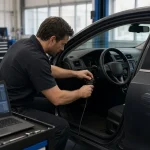
- Inspect. We scan for stored codes, read live engine data at idle, test the ignition parts, look for air leaks, and check the motor mounts with the engine running. We also go over the notes you took.
- Quote. We explain what we found in plain language, show you the cause, and give you a quote before any work starts.
- Repair. We do the work you approve, whether that is plugs, a coil, a hose, a throttle body cleaning, fuel system work, or a mount.
- Confirm. We recheck the idle, clear the codes after the repair, and road test the car so the shake is gone before you pick it up.
If the light was on with the shake, the same visit covers our engine light diagnostics. If the shake shows up mostly when the car shifts gears, we also look at the transmission side.
American Auto Repair Center has served drivers for 25 years at 1131 St. Georges Ave, Colonia, NJ 07067, a short drive from Clark, Iselin, Avenel, Woodbridge, and Rahway. Hours are Monday to Friday 8:30 AM to 6:00 PM and Saturday 8:30 AM to 4:00 PM, closed Sunday.
Keep the idle smooth
Most rough idle problems start small. A few habits help you catch them early.
- Replace spark plugs on the schedule in your owner’s manual
- Change the engine air filter when it gets dirty
- Use the fuel grade your owner’s manual calls for
- Get a solid check engine light scanned soon instead of waiting
- Ask for a quick look at hoses and mounts during routine visits
For a full year of checks, see our preventive maintenance schedule and our preventive maintenance service in Colonia.
Related problems and next steps
A rough idle often sits next to a few other problems. If one of these sounds closer to what you are dealing with, follow that path.
- Shake only at highway speed: steering wheel shakes on the highway
- A warning light on the dash: check engine light guide
- Slow crank or no start on cold mornings: dead battery and no-start guide
- Temperature gauge climbing at idle: car overheating guide
- Every service in one place: Colonia auto repair services guide
Get the shake checked
A rough idle is your engine asking for attention. A mild shake gives you time to book. A hard shake or a flashing light means stop and call. Either way, testing finds the cause faster than guessing.
Book engine diagnostics at American Auto Repair Center. Call (732) 702-3999 to set a time. We are at 1131 St. Georges Ave, Colonia, NJ 07067.
Frequently asked questions
Why does my car shake when idling but not when driving?
At idle the engine runs slowest, so a misfire, an air leak, or a worn motor mount is easier to feel. Once you are moving, road feel can hide it. A shake only at highway speed usually points to tires or wheels instead.
Can I drive with a rough idle?
If the shake is mild, power feels normal, and no warning light is flashing, you can usually drive gently to book a check. If the check engine light flashes, the engine shakes hard, or you smell fuel, stop driving and call for help.
Can bad spark plugs cause shaking at idle?
Yes. Worn or fouled plugs and weak ignition coils can cause a misfire, which feels like a stumble or shake at a stop.
Why does my car shake more with the A/C on?
The A/C adds load to the engine at idle. A weak part or a worn motor mount can make the shake stronger when the compressor turns on.
What does a flashing check engine light with shaking mean?
It usually means an active misfire. Ease off the gas, get to a safe spot, and have it checked before driving further, because unburned fuel can overheat the catalytic converter.
Can a vacuum leak make my car idle rough?
Yes. A cracked hose or loose fitting lets in extra air and upsets the fuel mix, which can cause a rough or jumpy idle and sometimes a hissing sound.
How do I know if it is a motor mount?
Mount wear often shows as a clunk or a strong shake when shifting into Drive or Reverse, or a shake that drops when you put the car in Neutral. A shop can check it with the engine running and on a lift.
How does American Auto Repair Center find the cause?
We scan the system, check live engine data, test ignition parts, look for air leaks, and inspect the mounts. Then we explain what we found and quote before any work. Call (732) 702-3999.